
carbon commitment
strawberry maple operates within an industry traditionally defined by short lifecycles and high material turnover. fresh floristry, by its nature, is cultivated, transported, installed, and discarded within a matter of days.
this model, while widely accepted, carries a significant environmental cost.
our approach is structured differently.
rather than working within a system of continual consumption, we focus on material longevity, controlled reuse, and reduction of waste at source.
we are not carbon neutral.
our approach focuses on reducing material repetition through reuse and extending the lifespan of all components wherever possible.
the problem
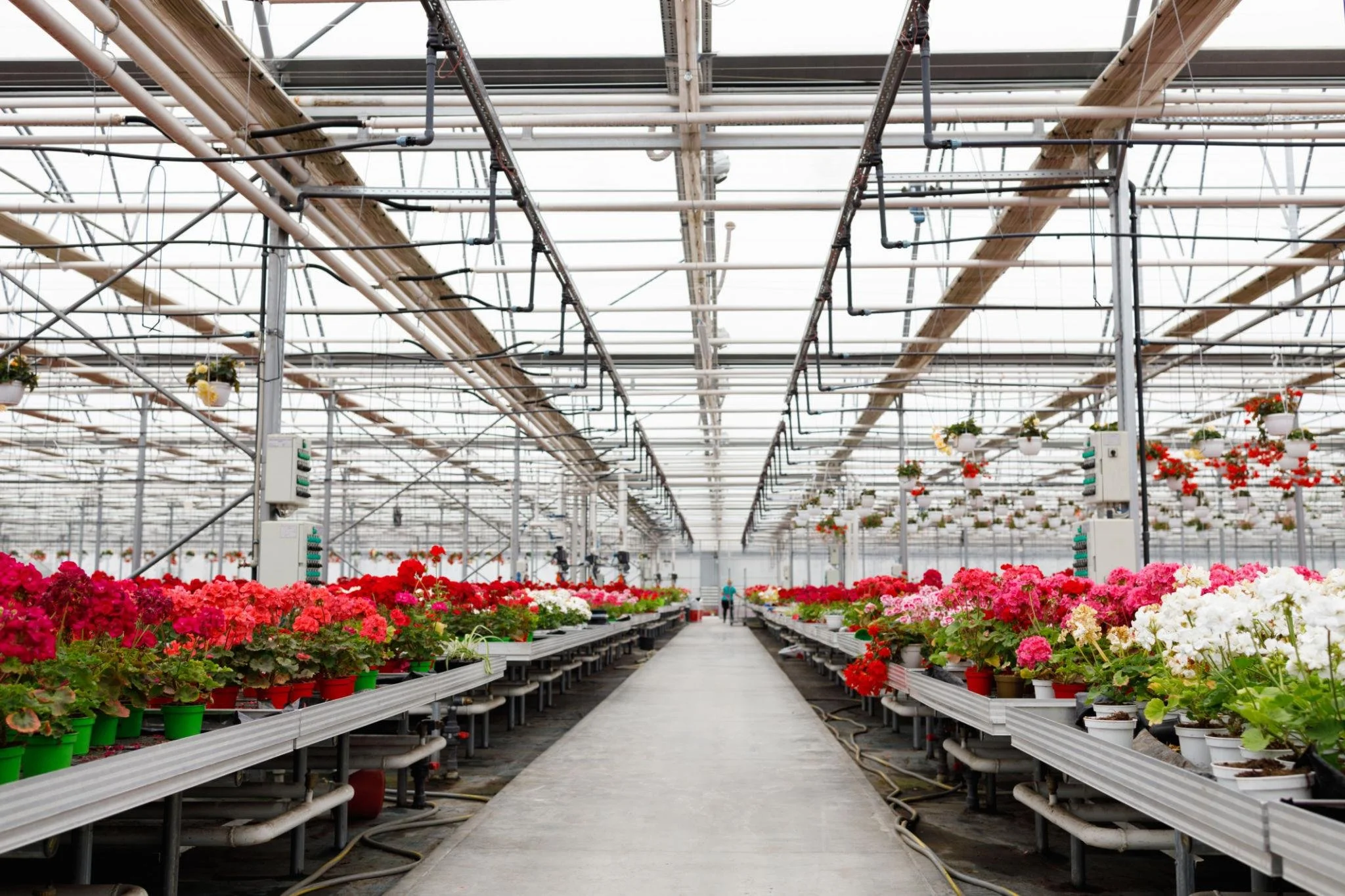
floristry is built on repetition.
fresh floral design, by its nature, operates on a short-cycle model.
materials are cultivated, harvested, transported, conditioned, installed, and removed within a matter of days.
regardless of scale or budget, the lifecycle remains the same.
for large events, this often involves:
hundreds to thousands of stems
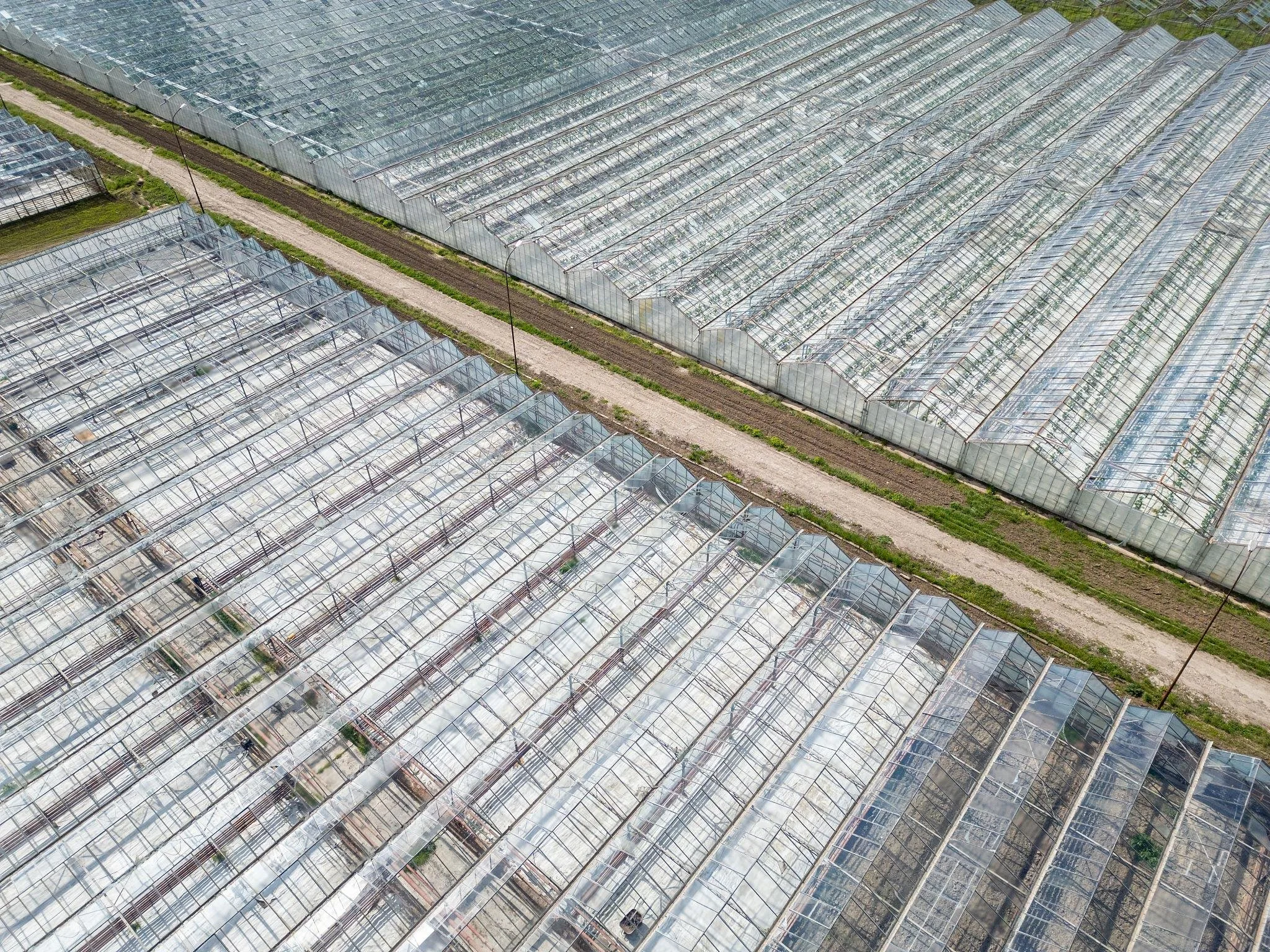
international supply chains
single-use installation
once the event concludes, the majority of materials are discarded.
this is not a flaw in execution.
it is a structural characteristic of the medium.
even at its most refined, fresh floristry remains:
high turnover, low lifespan, and inherently waste-led

our approach
we work beyond single-use materials.
strawberry maple is built on a model of material longevity.
rather than designing for a single moment, we construct work using artificial florals and foliage that are retained, reworked, and redeployed across multiple installations.
each component is treated as part of an ongoing system.
in practice:
stems are used across three to four events as a minimum
foliage is retained for extended lifecycle use
materials are stored, maintained, and reintroduced into new compositions
this reduces the need for continual material replacement and limits repeated consumption.
what we’re doing
impact is distributed, not repeated.
a traditional installation may require several hundred or thousand stems for a single use.
our model spreads that requirement across multiple events.
the result is a measurable reduction in:
material demand
procurement frequency
overall waste output
this approach does not remove impact.
it reduces duplication.
beyond immediate project work.
alongside material strategy, we are developing a long-term approach to environmental contribution through planting and land stewardship.
this includes:
cultivation of edible crops
support for pollinators through flowering plants
tree and shrub planting for long-term ecological value
ongoing improvement of soil health and biodiversity
this work is not presented as a direct carbon offset.
it is a sustained, incremental contribution over time.
material lifecycle
on average, core materials are reused across three to four installations as a minimum, with foliage retained for extended use beyond this cycle.
a structured approach to reduction and responsibility.
our work is guided by three operational priorities:
1. material reuse
we prioritise durability and retention, ensuring materials are reused across multiple projects wherever possible.
2. controlled procurement
materials are sourced through consolidated supply chains and purchased in volumes that support long-term use rather than short-term consumption from UK wholesalers.
3. lean operations
installations are designed for reconfiguration, transport is consolidated, and studio activity is limited to essential processes.
acknowledgement, not avoidance.
we recognise that all design carries environmental cost, including artificial materials, ceramics, and transport.
our position is not based on elimination.
it is based on:
reducing repetition
extending material lifespan
contributing beyond immediate consumption
scope & limitations
artificial materials, ceramics, and transport all carry environmental impact.
we do not position our work as impact-free.
our approach focuses on reducing repetition and extending material lifespan. it does not eliminate the environmental cost of production or global supply chains.
this is an ongoing process of reduction, not a claim of neutrality.